

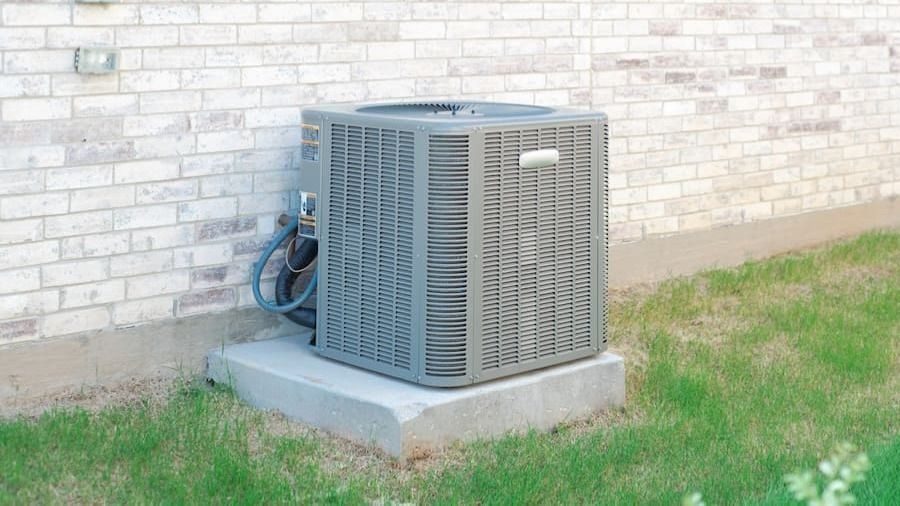
When it comes to AC units, one size does not fit all, and selecting the right size is the key to your comfort. Several factors matter when choosing the right HVAC unit size, including your home’s square footage, layout, insulation, and sun exposure.
While your current unit size can help, it isn’t a foolproof way to determine the best size for your home. Getting the sizing wrong, whether that means choosing a unit that’s too big or too small, can lead to higher energy bills, uneven cooling, humidity, and a shorter equipment lifespan.
To help Kansas City homeowners, this guide answers the most common questions about choosing the right size for a new air conditioner.
Not sure what size fits your home? Schedule a consultation with Climate Control and get an accurate answer before you buy.
What Determines the Right AC Size for My Home?
AC size depends on more than square footage alone. It depends on how much heat your home gains throughout the day and how efficiently your AC needs to remove it to keep you comfortable.
Key factors include:
- Square footage: A larger home generally needs more cooling capacity.
- Insulation quality: A well-insulated home holds cool air longer and needs less capacity than a poorly insulated home of the same size.
- Window count and orientation: South- and west-facing windows bring in more heat during Kansas City summers, increasing cooling demand.
- Ceiling height and layout: Vaulted ceilings and open floor plans hold more air volume, which affects how much capacity is needed.
- Local climate: Kansas City’s combination of hot, humid summers and outdoor temperature fluctuations factors directly into sizing calculations.
Because so many variables are involved, two homes of the same square footage may need noticeably different AC sizes.
What Happens If My AC Is the Wrong Size?
An incorrectly sized AC unit struggles to cool your home properly and often costs more to run than a correctly sized one. The problems show up differently depending on whether the unit is too big or too small.
If the Unit Is Too Small
- It runs constantly, trying and failing to reach the set temperature.
- Rooms farther from the unit stay noticeably warmer.
- The system wears out faster from nonstop operation.
If the Unit Is Too Large
- It cools the air quickly, then shuts off before removing enough humidity.
- The home feels cool but clammy, since humidity control depends on longer run cycles.
- Frequent on/off cycling, known as short cycling, adds wear and raises energy costs.
Either way, a mismatched unit costs you comfort and money, which is exactly why sizing should be precise and shouldn’t be left to guesswork.
How Do Professionals Calculate the Right AC Size?
Professionals use a standardized calculation called a Manual J load calculation, which accounts for your home’s specific characteristics rather than relying on square footage alone. This calculation is the industry standard for accurate HVAC sizing.
A Manual J load calculation factors in:
- Square footage and ceiling height to determine total air volume
- Insulation levels in walls, attic, and floors
- Window and door count, including type and orientation
- Local climate data specific to the Kansas City area
- Air infiltration, or how much outside air leaks into the home
Skipping this step is one of the most common reasons homeowners end up with an incorrectly sized system.
What If My Home Has Additions, Vaulted Ceilings, or an Open Floor Plan?
Homes with additions, vaulted ceilings, or open floor plans need a sizing calculation that accounts for the extra air volume and any changes to the home’s original structure. These features increase the amount of air a system needs to cool, even if the total square footage looks similar to a more traditional layout.
A technician performing a proper load calculation will walk through your entire home, noting these features individually rather than applying a single blanket estimate based on total square footage.
What Is a “Ton” in Air Conditioning Sizing?
A “ton” of cooling capacity refers to how much heat an AC unit can remove from a home in one hour, not the unit’s physical weight.
Residential systems typically range from 1.5 to 5 tons, with most Kansas City homes falling somewhere in the 2- to 4-ton range.
Here is a general guide for home size and typical cooling capacity:
| Home Size | Typical Cooling Capacity |
|---|---|
| 1,000–1,500 sq ft | 1.5–2.5 tons |
| 1,500–2,000 sq ft | 2.5–3 tons |
| 2,000–2,500 sq ft | 3–3.5 tons |
| 2,500–3,500 sq ft | 3.5–5 tons |
This table is only a general guide. Your actual tonnage should come from a load calculation, not this chart alone, since insulation and layout can significantly affect size requirements.
Can I Just Match My New AC to My Old Unit’s Size?
Matching your old unit’s size isn’t reliable, since the original system may have been sized incorrectly, or your home’s insulation and windows may have changed since it was installed.
For example, many existing systems in older Kansas City homes were sized using outdated methods or rough estimates rather than a proper load calculation.
If you’ve replaced windows, added insulation, finished a basement, or built an addition since installing your current AC, your cooling needs have likely changed too.
A new load calculation ensures your replacement system matches your home as it exists today, not as it was years ago.
How Does Kansas City’s Climate Affect AC Sizing?
Kansas City’s combination of hot, humid summers and highly variable weather makes accurate sizing especially important, since an oversized unit will struggle to manage humidity even while it lowers the temperature quickly.
Humidity control, not just temperature, is a major part of how comfortable a home feels during a Missouri summer.
This is one reason a load calculation for a home in the KC metro should always use local climate data, not generic estimates. A system properly sized for our climate will run longer cycles that pull more humidity out of the air, keeping your home comfortable rather than just cool.
Can I Finance a New AC System?
Yes, financing is available to help spread the cost of a properly sized AC system over manageable monthly payments instead of one high upfront cost.
Climate Control partners with GreenSky and OPTIMUS to offer flexible financing options, including plans designed for homeowners with a range of credit profiles.
Why Financing Makes Sense
- Spreads the cost of a new system over time
- Makes it easier to invest in the correctly sized unit instead of settling for a cheaper, mismatched one
- Lets you move forward with a needed replacement without waiting to save the full amount
What Financing Through Climate Control Offers
- A soft credit check that won’t affect your credit score
- Pre-qualification in just a few minutes
- Multiple programs designed to fit different credit situations
Ready to move forward without the upfront cost? Apply for financing with Climate Control and get pre-qualified in minutes.
Why KC Homeowners Choose Climate Control
Kansas City homeowners have trusted Climate Control Heating, Cooling & Plumbing since 1987, and we back every job with a 100% satisfaction guarantee.
Our team performs proper load calculations on every installation, so you get a system sized for your actual home rather than a rough guess.
What Sets Us Apart
- Nearly four decades of local experience serving the greater Kansas City metro area
- NATE-certified technicians trained to industry standards
- A 100% guarantee on all installation and repair work
- Comfort Club membership for ongoing maintenance, priority scheduling, and repair discounts
- Flexible financing through GreenSky and OPTIMUS
Ready to size and install your new AC the right way? Contact Climate Control at 816-290-6319 to consult with our experts.
Frequently Asked Questions
Is a Bigger AC Unit Always Better?
No. An oversized unit cools quickly but doesn’t run long enough to properly remove humidity, which can leave your home feeling cool but sticky.
How Long Does a Load Calculation Take?
Most in-home load calculations take under an hour and are typically included in a free installation estimate.
Will a Correctly Sized AC Lower My Energy Bills?
In most cases, yes. A properly sized system runs more efficiently and cycles appropriately, which reduces the strain that leads to higher energy use over time.
Do I Need a New Load Calculation If I’m Just Replacing a Broken Unit?
Yes, especially if any part of your home’s insulation, windows, or layout has changed since the original system was installed. Using the old unit’s size as a shortcut can carry over the same sizing problems.
How Often Should I Have My AC Serviced Once It’s Properly Sized?
Even a correctly sized system benefits from an annual tune-up to catch small issues early and maintain efficiency, ideally scheduled each spring before the cooling season begins.